
The Super Bowl and Human Trafficking: Myth, Reality, and the Bigger Picture
- Feb 8
- 4 min read
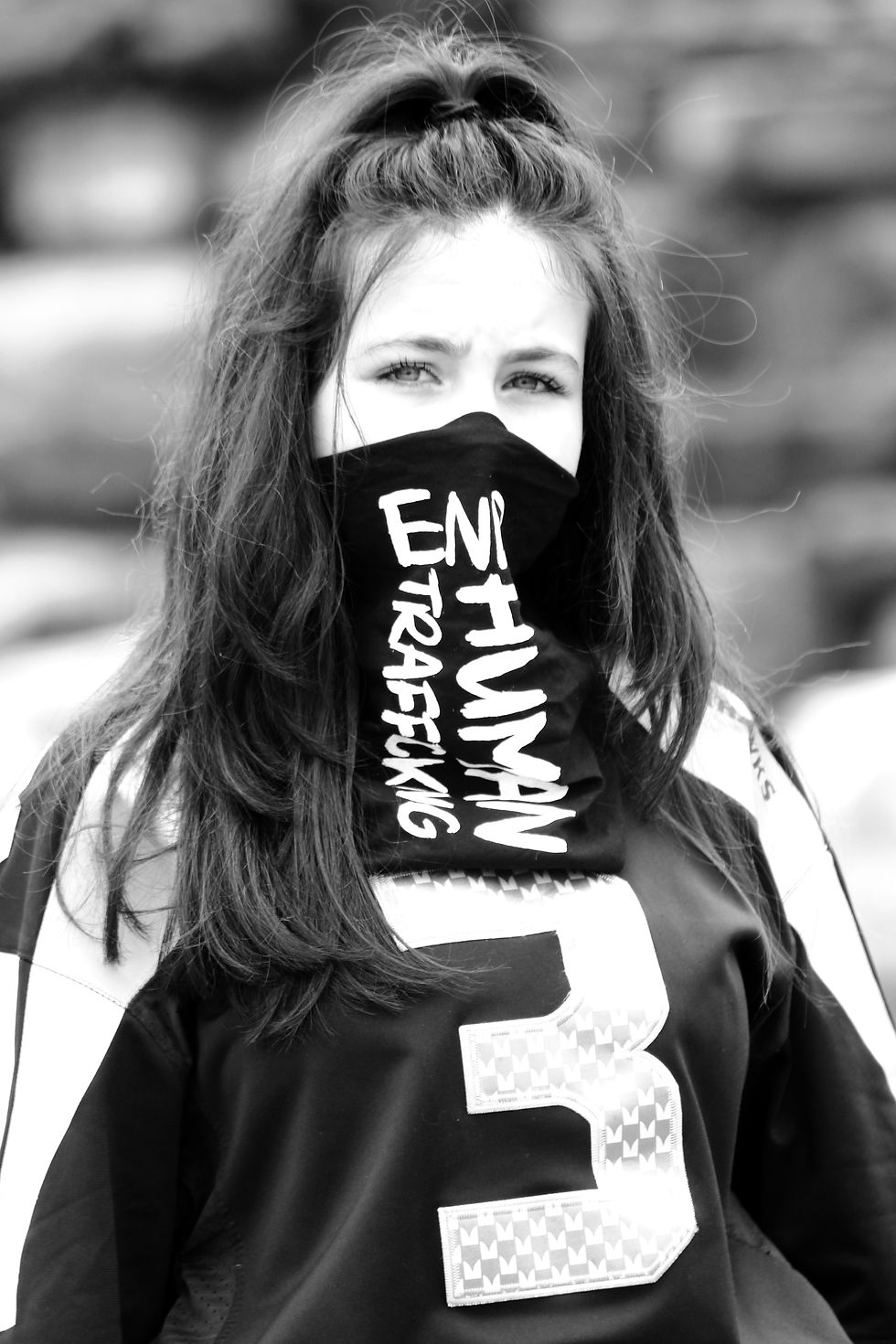
Every February, the Super Bowl captures the world’s attention, tens of millions of fans will tune in, hundreds of thousands travel to the host city, and for one weekend, celebration becomes a spectacle. But amid the excitement, an uncomfortable narrative persists: is the Super Bowl a hotbed for human trafficking?
The short answer? The issue is far more complex than headlines suggest and the reality extends well beyond one event.
The Narrative: A “Super Spreader” of Exploitation
For years, major events like the Super Bowl have been cited in media and advocacy circles as magnets for trafficking. High visitor volume, transient populations, and crowded venues appear to create conditions where crime can occur out of sight. Some law enforcement actions and community responses do coincide with large sports events, and collaborative operations often occur in the weeks leading up to them.
For example, studies of policing around Super Bowl LIII in Atlanta noted that law enforcement and task forces made arrests and recovered victims in the period before the game, part of broader coordinated efforts to disrupt exploitation networks. Local operations targeting prostitution and trafficking often highlight increased law enforcement activity during event weeks.
These realities fuel a powerful storyline: large events equal increased trafficking, especially sexual exploitation.
The Evidence: Myth vs. Measured Reality on the super bowl and human trafficking
However, robust research tells a more nuanced story.
According to peer-reviewed research that analyzed media narratives and empirical evidence, there is no definitive data demonstrating a significant increase in sex trafficking during the Super Bowl or similar major public events. While coverage often frames the Super Bowl as the largest sex trafficking event in the United States, empirical analysis suggests that this narrative is more media-driven than evidence-based.
The International Justice Mission (IJM), which has worked globally to combat trafficking for decades, acknowledges that while awareness campaigns around events like the Super Bowl are important, there is no strong evidence showing a disproportionate spike in trafficking compared to normal patterns of exploitation. Instead, IJM emphasizes that trafficking is an everyday reality, visible long before and after any single event.
A review by the Anti-Trafficking Review also found that, historically, most U.S. print media (approximately 76%) propagated the “Super Bowl sex trafficking” narrative despite a lack of rigorous data to support it. Such coverage can unintentionally mislead the public about the nature and scope of trafficking.
So Why Do People Make the Connection?
Here’s where the nuance matters:
Increased population density can create more opportunities for traffickers to operate under the radar, but that doesn’t necessarily mean more trafficking is happening than on any other busy weekend in a major city.
Anti-trafficking efforts tend to intensify around high-profile events, meaning law enforcement and NGOs are more visible, not because trafficking spikes, but because preparedness and public messaging do.
Commercial sex markets may expand in visibility around major events, but researchers caution that increased ads or activity on certain platforms doesn’t equate directly to increases in human trafficking.
In short: traffickers do take advantage of anonymity and crowds, but trafficking is happening year-round, with or without a championship game.
Beyond the Myth: The Broader Problem
Instead of fixating on one weekend, focusing on the underlying conditions that allow trafficking to thrive offers a clearer picture of the work that needs to be done.
Human trafficking, whether for sexual exploitation or forced labor, is a daily, global crisis. Estimates from multiple international organizations show that millions of people are trapped in modern slavery, including forced labor, forced marriage, and commercial sexual exploitation.
Even if trafficking does not spike dramatically around a single event, the very industries and systems traffickers exploit, low oversight sectors, transient labor, tourism, temporary housing, and digital platforms, are all present at these events. The Super Bowl simply exposes vulnerabilities that exist every day.
Why This Matters
This complexity matters for several reasons:
Public awareness campaigns during major events can mobilize resources and attention, but they must be grounded in evidence to avoid misdirection.
Simplistic narratives can overshadow real patterns of exploitation that occur year-round in host cities and beyond.
Investing in survivor support, economic opportunity, and structural prevention is far more critical than chasing event-based myths.
What We Do Know
Large sporting events get attention and with attention comes opportunities for outreach, prevention messaging, and community engagement.
Collaborative efforts between law enforcement and nonprofits often coordinate around these events to protect vulnerable people.
Human trafficking is a global crisis happening 365 days a year, regardless of where a football game takes place.
A Call for Awareness Every Day
As you enjoy the excitement of the Super Bowl, whether you’re cheering for the Seahawks, the Patriots, or simply tuning in for the halftime show and commercials, remember that exploitation of vulnerable people is not confined to one weekend.
Human trafficking thrives not because of one event, but because of silence, lack of economic opportunity, weak legal protections, and a demand for exploitation.
This is why we launched the Freedom, Funded campaign, to shift the focus from short-term attention cycles to sustained investment in long term survivor care, recovery resources, legal reform, and educating communities year-round.
Human trafficking does not take a break when the clock hits zero.
-------------
Learn More | Verified Resources | Sources
International Justice Mission (IJM)
Research and global anti-trafficking initiatives, including analysis on trafficking and major sporting events.
Anti-Trafficking Review
Peer-reviewed research examining myths and data related to the Super Bowl narrative.
National Human Trafficking Hotline
24/7 confidential support in the United States.
Call: 1-888-373-7888
Text: BEFREE (233733)
Polaris Project
Data-driven insights and policy advocacy around trafficking trends in the U.S.
U.S. Department of Homeland Security – Blue Campaign
Public awareness and prevention resources.
National Center for Missing & Exploited Children (NCMEC)
Resources regarding child exploitation and trafficking.
Freedom, Funded – Last Word Initiative
Long-term survivor recovery investment through strategic partnerships.



Comments